From centuries-old fiestas to bustling high-tech cities and English-speaking call centers, the Philippines offers a cultural experience that feels both familiar and surprising. Asian traditions, Spanish heritage, American influences, and regional customs all coexist in one vibrant archipelago. This dynamic mix shapes everything Filipinos do – how they celebrate, communicate, work, and connect with the world – and makes the country stand out as one of the most culturally diverse nations in Asia.
1. A History Shaped by Global Encounters
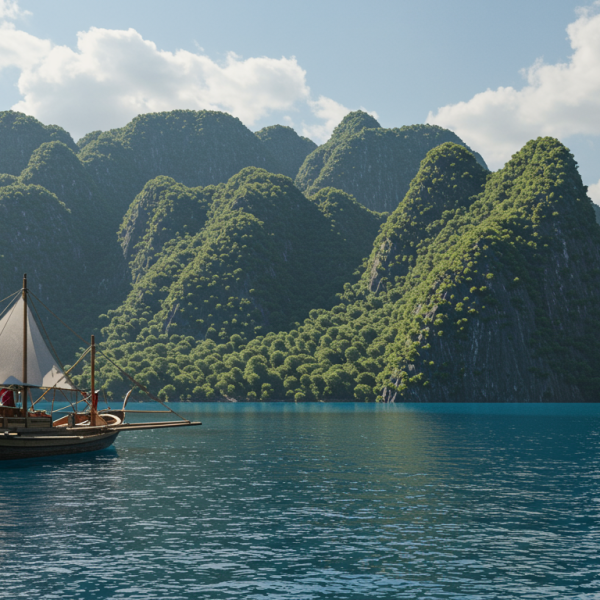
The Philippines has long been a crossroads of maritime trade and migration. Long before European colonization, traders from China, India, and the Malay world came to the islands, bringing goods, beliefs, and customs. The arrival of the Spanish in the 16th century, followed by American rule and interaction with neighboring Asian countries, added more cultural layers. This complex history laid the foundation for a society that is naturally open to blending influences rather than rejecting them.
2. Language: A Multilingual Tapestry
Filipino and English are the official languages, but over 170 regional languages and dialects are spoken across the islands. Spanish and Mexican loanwords still appear in everyday Filipino vocabulary, while English is the language of business, education, and global communication. Because of this multilingual environment, Filipinos often shift smoothly between languages, mirroring the country’s ability to navigate both Asian and Western cultural contexts with ease. When interacting internationally, this linguistic flexibility is a key asset for businesses, governments, and individuals alike.
3. Religion and Spirituality: Catholicism with Local Soul
Over 80 percent of Filipinos identify as Roman Catholic, a direct result of more than 300 years of Spanish colonization. Catholicism strongly shapes holidays, moral values, and community life. However, many practices are indigenized, blending Christian beliefs with older local traditions, pre-colonial rituals, and regional customs. This creates unique expressions of faith such as colorful processions, community patron-saint festivals, and devotions that feel both European in origin and distinctly Filipino in character. In this context, international faith-based organizations, diaspora groups, and NGOs increasingly rely on certified document translation services to bridge cultural and linguistic gaps when working with Filipino communities at home and abroad.
4. Festivals: European Saints Meet Indigenous Celebrations
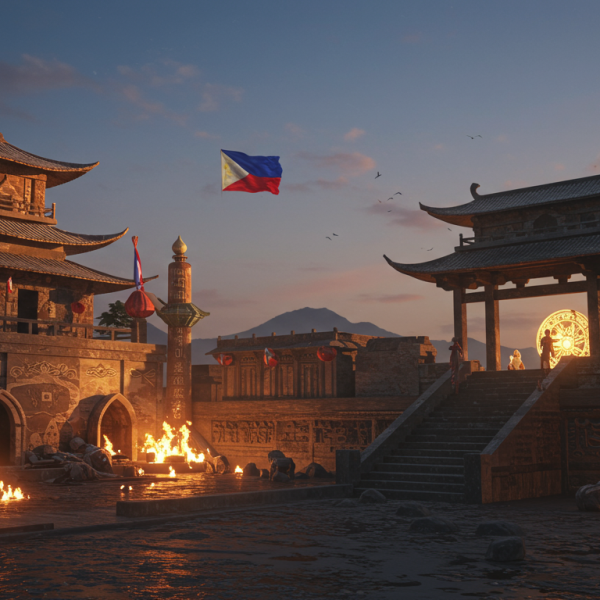
Philippine festivals are dazzling showcases of cultural blending. Major fiestas often honor Catholic saints introduced by the Spanish, yet they integrate indigenous dances, colorful native costumes, and pre-colonial symbols. Events like Sinulog, Ati-Atihan, and Dinagyang combine Christian narratives with tribal music, street dancing, and local myths. These celebrations reveal how foreign religious traditions were not simply adopted but creatively reimagined, resulting in community rituals that speak to both ancient roots and later influences.
5. Food: Asian Ingredients, Hispanic Names, American Twists
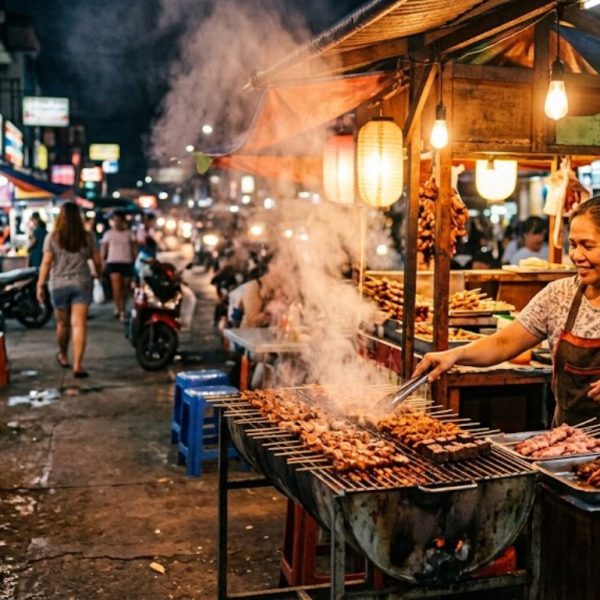
Filipino cuisine reflects a long conversation between regional ingredients and foreign cooking methods. Native staples like rice, coconut, and fish meet Chinese-inspired noodle dishes, Spanish-style stews, and American fast-food culture. Dishes such as adobo, afritada, and menudo bear Spanish names yet use local spices and cooking techniques. Sizzling plates, sweet-style spaghetti, and rice served with fried chicken show how Western comfort food adapts to Filipino tastes. The dining table becomes a place where cultural blending is not only visible but deliciously practical.
6. Family Values: Asian Respect and Western Individualism
Filipino families typically emphasize close-knit relationships, respect for elders, and strong support networks reminiscent of many Asian societies. At the same time, exposure to Western media, education, and legal frameworks has encouraged individual aspirations, gender equality, and personal freedom. Young Filipinos often balance obligation to family with personal career paths and global ambitions. The result is a value system where communal responsibilities and modern, self-directed goals increasingly coexist rather than conflict.
Cultural blending in the Philippines is unusually legible because you can hear it: Spanish harmony, American song form and local languages sitting in the same three-minute record. Popular music absorbs foreign structure faster than almost anything else and keeps the local accent regardless. That is roughly how country music developed too, out of imported instruments and immigrant song traditions that nobody at the time considered American.
7. Education and Work Culture: Local Warmth, Global Standards
The Philippine education system and professional environment draw heavily from Western models, yet they operate within a deeply relational, kinship-oriented society. English-medium instruction, standardized curricula, and global certification frameworks prepare Filipinos for international careers, especially in sectors like healthcare, technology, and business process outsourcing. In the workplace, hospitality, group harmony, and flexible problem-solving intersect with global performance metrics and modern management practices. This hybrid environment enables Filipino talent to work effectively with partners from many cultural backgrounds.
8. Arts and Entertainment: From Folk Traditions to Global Pop
Philippine arts span indigenous weaving, traditional dances, and epic chants alongside modern pop music, film, and digital content influenced by Western and Asian trends. Local musicians blend R and B, hip-hop, and rock with regional rhythms and languages. Directors draw on Hollywood techniques while confronting uniquely Filipino social realities. Visual artists pull inspiration from both ancestral symbols and contemporary global issues. The result is a creative scene that feels at once international and deeply rooted in local experience.
9. Diaspora and Global Connections
Millions of Filipinos live and work overseas, forming communities throughout North America, Europe, the Middle East, and Asia-Pacific. These diaspora communities carry their traditions abroad while absorbing new ideas and practices from host cultures. Remittances, dual citizenship, and constant digital communication keep them closely linked to home. Over time, cultural influences flow both ways: overseas Filipinos introduce new styles, languages, and attitudes to family back home, reinforcing the Philippines’ position as a country in continuous cultural dialogue with the world.
A Culture Defined by Connection and Adaptation
The Philippines demonstrates how a nation can transform centuries of contact, colonization, and migration into a distinctive cultural identity. Instead of choosing between traditions, Filipinos draw from many sources at once, creating a living culture that is flexible, resilient, and globally connected. As the country continues to collaborate with partners across continents, this ability to navigate multiple cultural worlds remains one of its strongest assets, shaping everything from daily customs and celebrations to international business, education, and diplomacy.