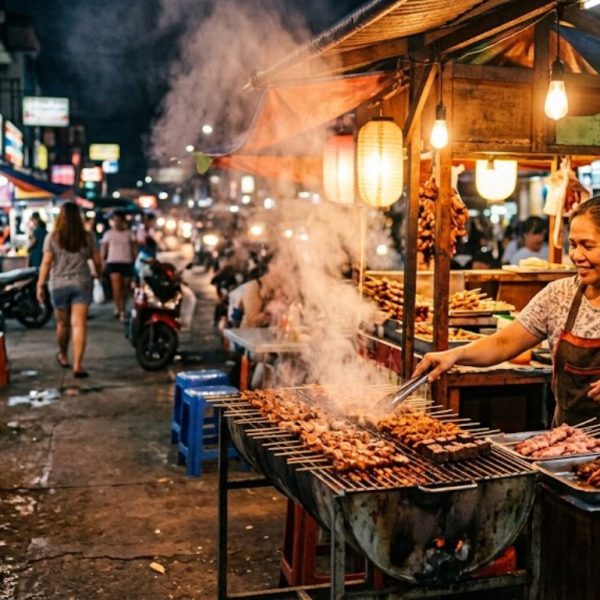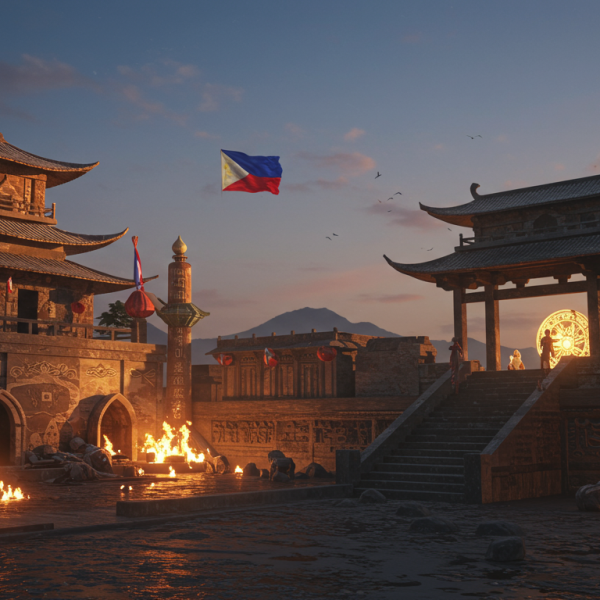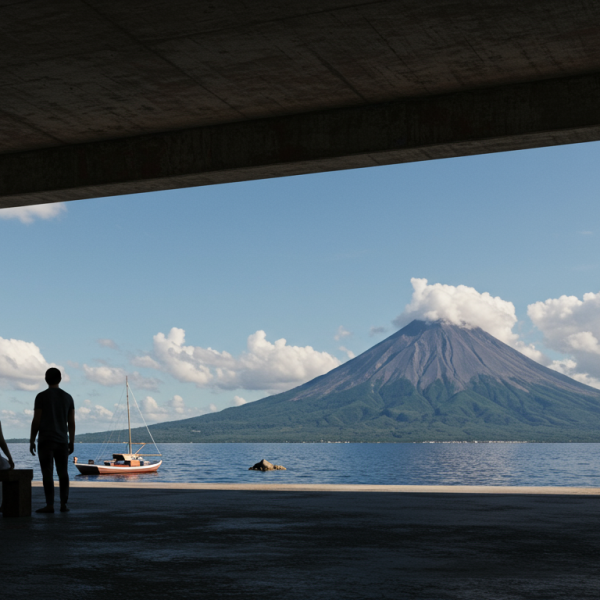
Planning a trip to the Philippines is exciting – stunning beaches, warm locals, and a rich mix of cultures make it one of Southeast Asia’s most rewarding destinations. To make your experience smoother, safer, and more enjoyable, it helps to understand a few practical essentials before you arrive. From language and money to connectivity and local etiquette, here are 12 key things to know before visiting the Philippines.
1. English Is Widely Spoken, but Local Languages Matter
The Philippines has two official languages: Filipino (based on Tagalog) and English. In most cities, tourist spots, and business areas, you can get by comfortably with English. However, the country has more than 180 local languages and dialects, with Cebuano, Ilocano, Hiligaynon, and others widely used in different regions. If you’re coming for work, study, or long-term stays, partnering with a professional translation company can help you navigate documents, contracts, and local regulations in multiple languages and ensure smooth communication with locals and authorities.
2. The Philippines Is an Archipelago – Plan Your Route
The country is made up of more than 7,000 islands, grouped into three main regions: Luzon, Visayas, and Mindanao. Travel between these islands usually involves domestic flights or ferries, which can consume time and affect your budget. When creating your itinerary, focus on one or two regions rather than trying to see everything in a single trip. For instance, you might combine Manila and Banaue Rice Terraces in Luzon, or Cebu, Bohol, and Siargao in the Visayas. Booking flights and ferries in advance, especially during peak seasons, is crucial.
3. Weather and Typhoon Seasons Can Affect Your Plans
The Philippines has a tropical climate with two main seasons: the dry season (roughly November to May) and the wet season (June to October). Typhoons are common, especially from July to October, and can disrupt flights, ferry schedules, and outdoor activities. Check the forecast frequently and consider travel insurance that covers weather-related cancellations. If you’re visiting during the rainy months, build flexibility into your itinerary, and avoid tight connections between islands.
4. Visa Rules and Entry Requirements Vary by Nationality
Many nationalities can enter the Philippines visa-free for a limited stay (often 30 days), but requirements differ depending on your passport. Ensure your passport is valid for at least six months beyond your planned departure date and that you have a return or onward ticket, as immigration officers may ask for proof. If you plan to stay longer, research extensions, long-stay visas, and any additional documents you might need well before your trip.
5. Currency, Cash, and ATMs
The local currency is the Philippine Peso (PHP). Credit and debit cards are commonly accepted in major cities, malls, and larger hotels, but cash is still king in smaller towns, markets, and remote islands. ATMs are widely available in cities, though fees may apply, especially for foreign cards. It’s a good idea to carry enough cash when traveling to provinces, beach destinations, or areas where ATMs may be limited or temporarily offline.
6. Transportation: Expect Traffic and Allow Extra Time
Major urban centers like Metro Manila and Cebu City are notorious for heavy traffic, especially during rush hours. If you have flights, ferry departures, or time-sensitive tours, leave early and add a buffer of at least one to two hours. Public transportation includes jeepneys, buses, tricycles, taxis, ride-hailing services, and ferries. Always agree on the fare in advance for tricycles and taxis without meters, or insist on using the meter where it’s required.
7. Staying Connected: SIM Cards and Internet Access
Getting a local SIM card at the airport or in major malls is simple and affordable. Popular providers include Smart, Globe, and DITO. Data packages are inexpensive, but signal strength can vary sharply between cities and islands. Remote beaches and mountainous regions may have weak or no coverage, so don’t rely solely on online maps and apps. Download offline maps and keep important details such as hotel addresses and booking references accessible without internet.
8. Safety, Health, and Travel Insurance
The Philippines is generally safe for tourists, but as with any destination, use common sense. Watch your belongings in crowded areas, avoid displaying valuables, and follow local advice about which neighborhoods to avoid at night. Tap water is not typically safe to drink, so stick to bottled or filtered water. Also, some areas of the country may have mosquito-borne diseases like dengue, so pack insect repellent. Comprehensive travel insurance that covers medical emergencies, evacuation, and trip cancellations is strongly recommended.
Practical pre-trip reading tends to cover the same ground everywhere: where things are, what people speak, and what the money looks like. Those questions are worth asking about any unfamiliar destination, and for North Africa they get answered quickly in a single overview. A short guide covering the capital of algeria along with its languages and currency handles the basics in one pass.
9. Cultural Etiquette and Respect
Filipinos are known for their friendliness, hospitality, and sense of community. Basic courtesies like using “po” and “opo” (polite forms of “yes” and expressions of respect) go a long way, especially with older people. Dress modestly when visiting churches, temples, or rural areas; covering shoulders and knees is appreciated. Public displays of anger or loud confrontations are frowned upon, so stay calm and respectful when resolving any issues.
10. Food, Dietary Needs, and Allergies
Filipino cuisine is diverse and flavorful, featuring dishes like adobo, sinigang, lechon, and fresh seafood. In tourist areas and cities, you’ll find international restaurants and plenty of vegetarian or vegan options, but in some provinces those choices might be limited. If you have food allergies or dietary restrictions, learn and write down key phrases explaining them, and show them to restaurant staff. When in doubt, choose freshly cooked food and avoid raw or undercooked items in unfamiliar places.
11. Environmental Responsibility and Island Conservation
Many of the Philippines’ top attractions are natural wonders: coral reefs, pristine beaches, caves, and waterfalls. These ecosystems are fragile, and responsible tourism is crucial. Follow local regulations, such as reef-safe sunscreen requirements in certain marine parks, and never touch coral or marine life. Dispose of trash properly, minimize plastic use, and respect wildlife. Some islands impose environmental fees, visitor caps, or temporary closures to allow nature to recover, so be prepared to pay small conservation charges.
12. Budgeting and Hidden Costs
The Philippines can be very budget-friendly, but costs vary by location and style of travel. While accommodation and food are generally affordable, inter-island flights, private boat tours, and entrance fees to tourist sites can add up. Some restaurants and hotels apply service charges, and local guides, drivers, and boatmen often rely on tips. Build a realistic budget that includes transport between islands, activity fees, meals, and a buffer for unexpected expenses.
Conclusion
Visiting the Philippines can be an unforgettable experience if you arrive prepared. Understanding its island geography, climate patterns, language landscape, and cultural nuances will help you make smarter choices and avoid common travel headaches. With thoughtful planning, respect for local customs, and an open mind, you’ll be ready to explore world-class beaches, vibrant cities, and the genuine hospitality that makes the Philippines truly special.